
Conservation Florida and Sea & Shoreline Partner to Restore Eelgrass in East Lake Tohopekaliga, Headwaters of Everglades
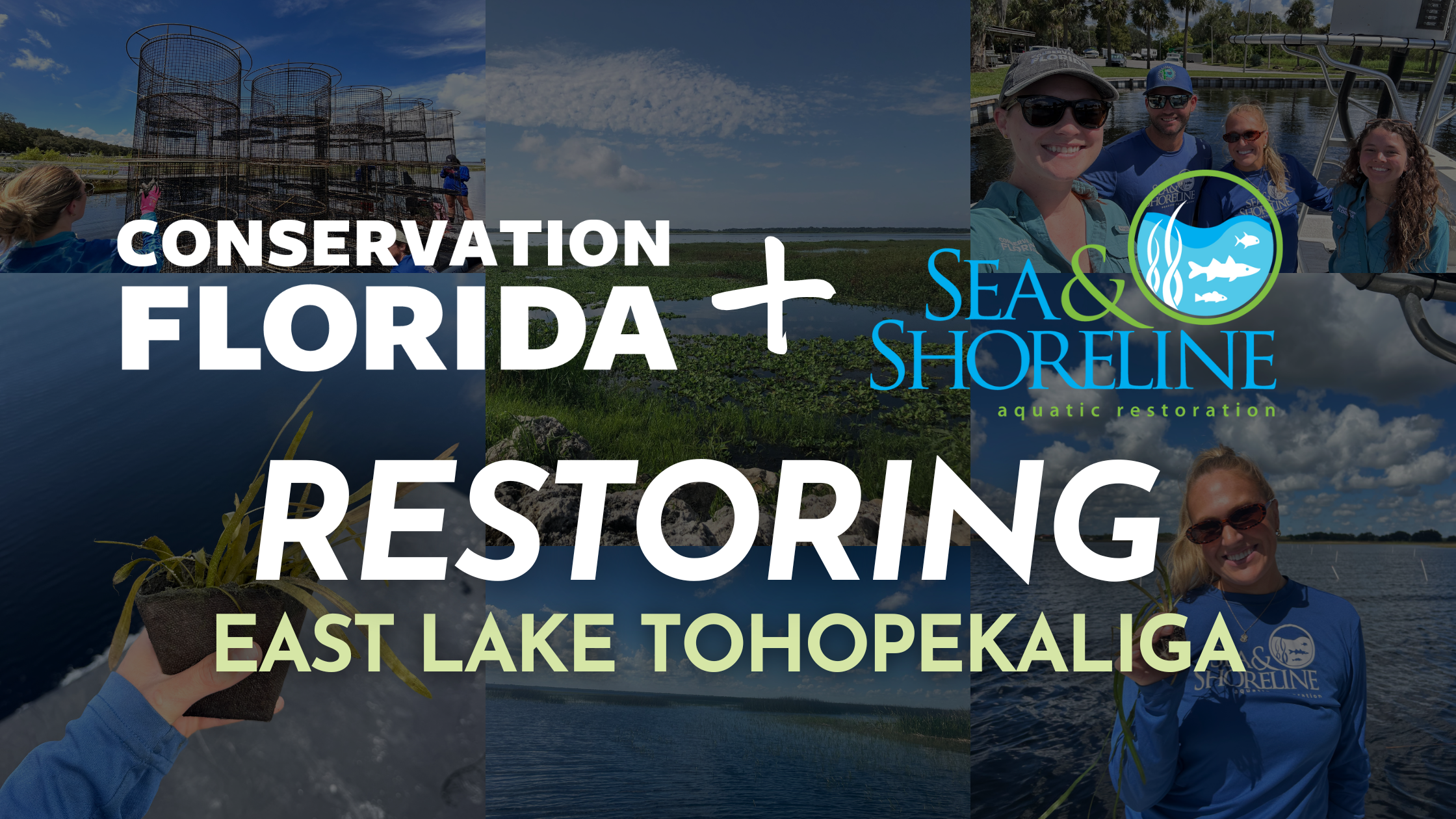
50-acre planting project in Osceola County strengthens wildlife habitat, improves recreation, and protects a high-priority freshwater lake
ORLANDO, Fla. (May 5, 2026) — Conservation Florida, in partnership with Sea & Shoreline, planted more than 250,000 native eelgrass plants along the the shoreline of East Lake Tohopekaliga in Osceola County to restore one of Florida’s most treasured freshwater systems: the headwaters of the Everglades.
Eelgrass populations are declining throughout Florida, raising significant ecological concerns.
These submerged aquatic grasses play a vital role in maintaining the health of water bodies and the wildlife they support. One single acre of eelgrass can produce up to 50,000 liters of oxygen per day.
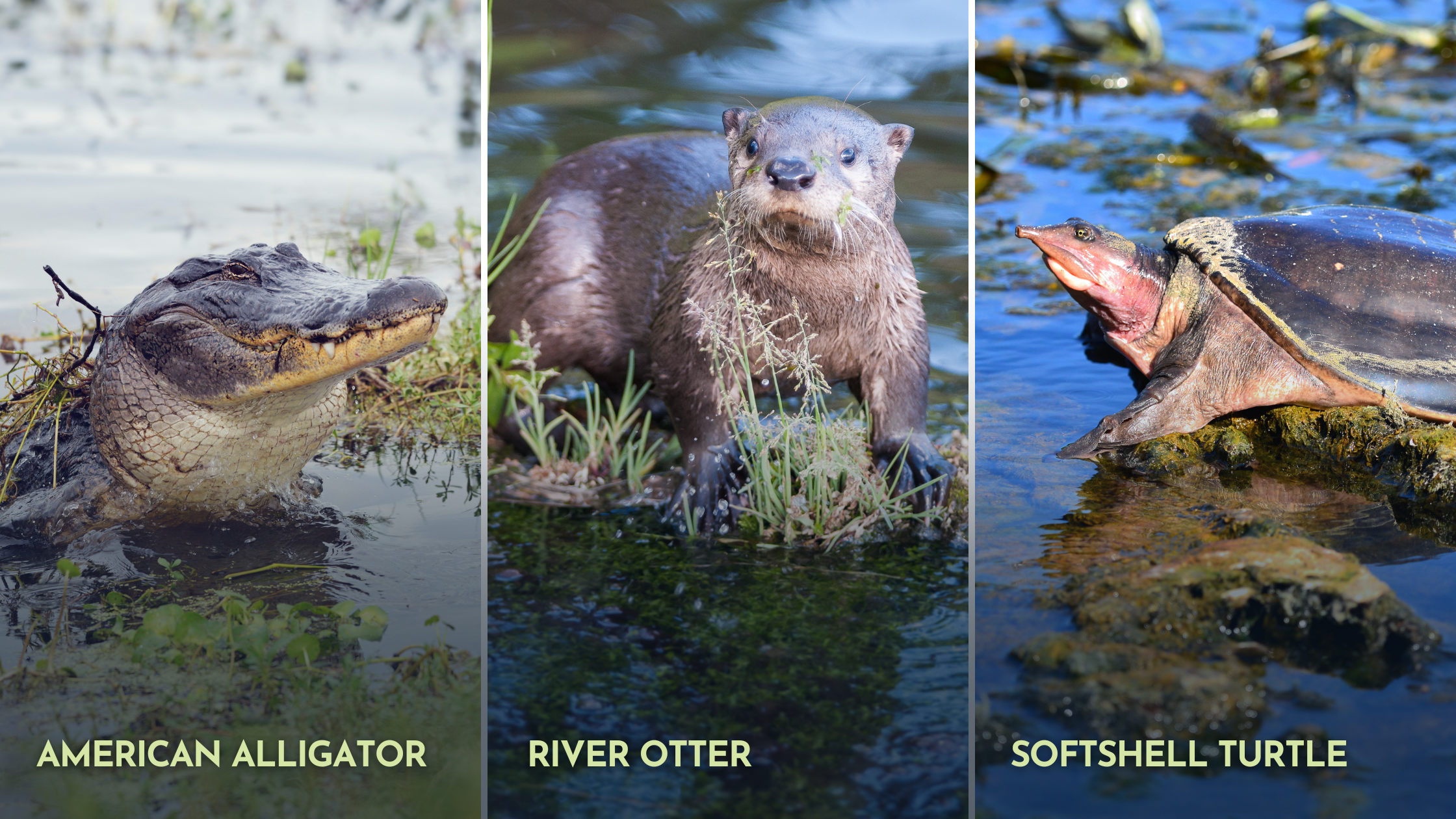
This 50-acre restoration project along the northwest shoreline could not only produce 2.5 million liters of oxygen daily but also protect wildlife like the American alligator, snail kite, river otter, softshell turtle, and the trophy Florida strain largemouth bass.
“Conservation Florida is thrilled to collaborate to plant native eel grass in a lake cherished by the community,” said Conservation Florida CEO Traci Deen. “In working alongside Sea & Shoreline, we’re helping ensure East Lake Toho remains healthy and thriving for generations to come.”
"This project is a great example of how we put science into action,” said Carter Henne, CEO of Sea & Shoreline. “In partnership with Conservation Florida, we’re proud to have helped plan and implement the enhancement of 50 acres of native eelgrass in East Lake Toho, increasing critical habitat that supports fish, wildlife, and healthier waterways for the future.”
Shared Waters
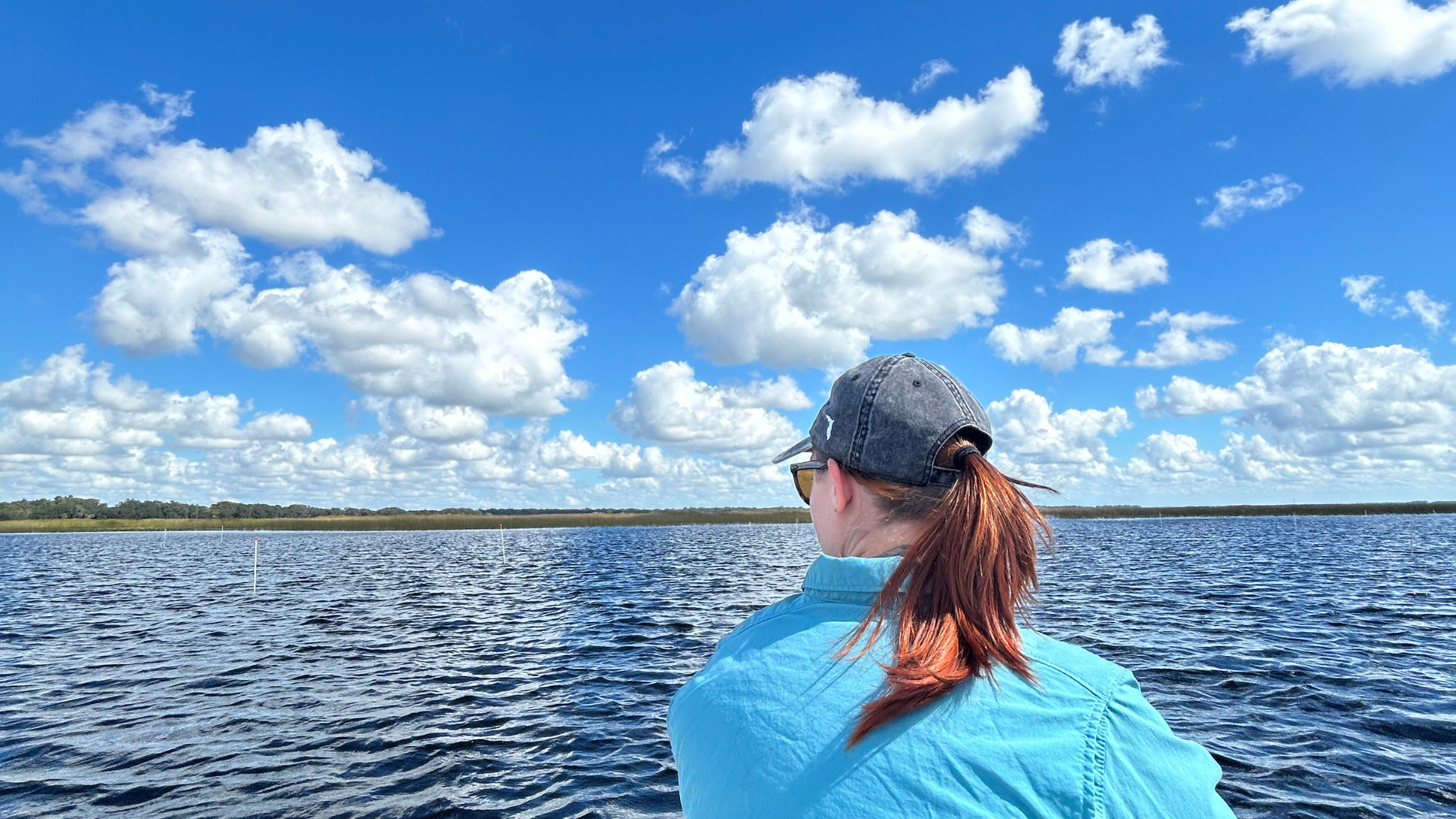
“Tohopekaliga” is thought to mean “we will gather together here,” derived from the words tohopke (fenced area or fort) and lika (gathering place). Today, East Lake Tohopekaliga continues to live up to its name as a place where wildlife, recreation, and community come together.
Locally known as East Lake Toho, it provides ample feeding and nesting opportunities for waterfowl, bald eagles, ospreys, and wading birds like snowy egrets and wood storks. The lake also supports an abundant fish population, including largemouth bass and bluegill, which draws anglers to the area.
Sitting just five miles south of the Orlando International Airport, East Lake Toho acts as a sort of ecological hotspot in the rapidly expanding Orlando metro area. The lake spans roughly 12,000 acres with approximately 17.5 miles of shoreline, making it the second-largest lake located entirely within Osceola County.
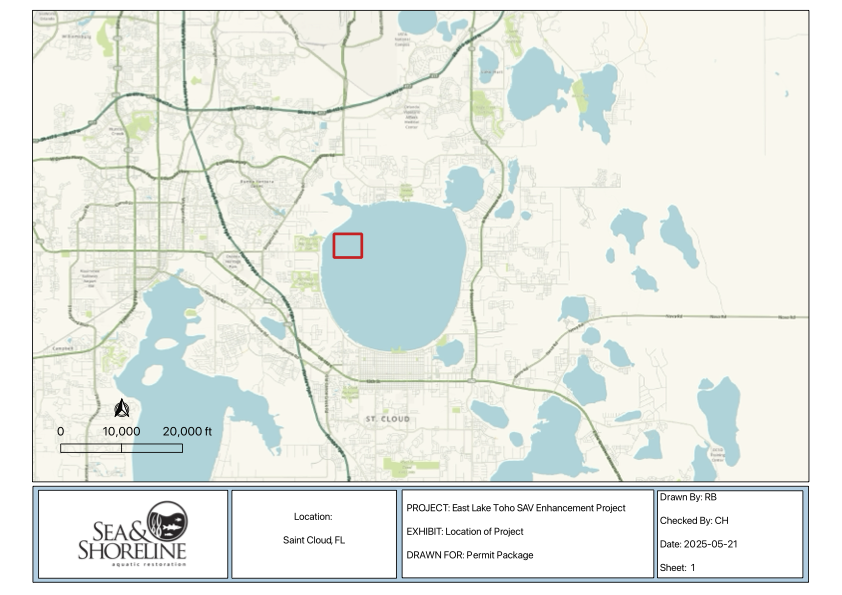
It is also part of the Kissimmee Chain of Lakes and is classified by the FWC as a high-priority aquatic resource. East Lake Toho has long supported robust native plant communities, but over time, development and altered water levels have created challenges to the long-term health of the lake. This project was designed to bolster the efforts of the local, state, and federal partners.
The Planting Project
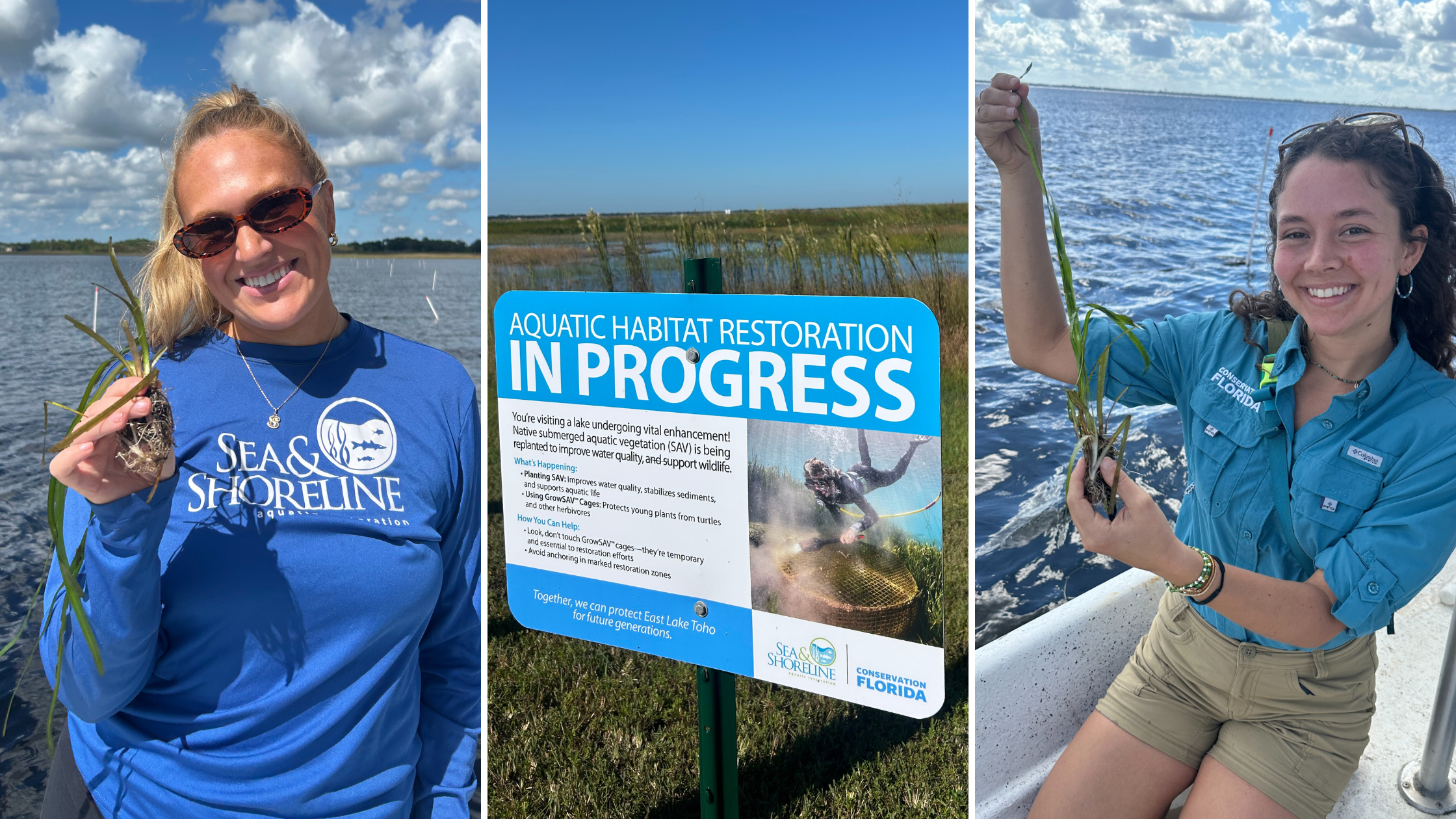
In late 2025, Sea & Shoreline installed roughly 250,000 juvenile native Florida eelgrass plants along the northwest shoreline of East Lake Toho using a combination of planting and protection techniques designed to ensure long-term success.
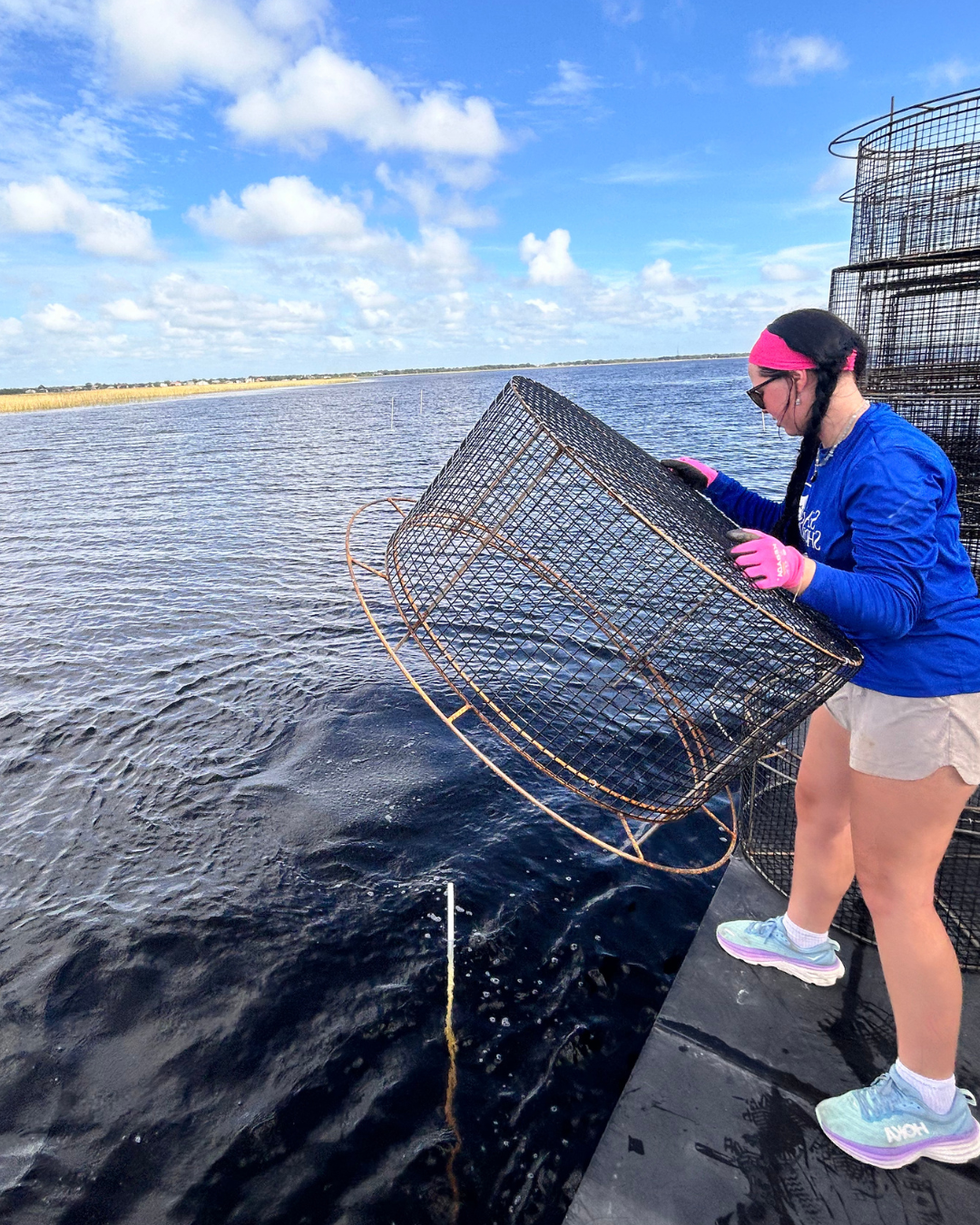
After planting, protective cages known as growSAV devices — steel frames covered with wire mesh — were installed over the young plants to shield them from grazing by fish and turtles.
Once the eelgrass has established strong root systems (typically after 12 months) the growSAV devices are removed.
All eelgrass used in the project was grown at Sea & Shoreline’s Florida Department of Agriculture and Consumer Services (FDACS)-certified aquaculture facility in Ruskin, Florida, and was verified native through a University of Florida genetics lab.
The restoration area is now monitored on a monthly basis, with maintenance continuing through 2026. Informational signage has also been installed on the lakeshore and around the perimeter of the project area to notify boaters and lake users of the restoration effort.
Conservation for All
The benefits of this project extend far beyond the shoreline of East Lake Toho. The data collected will inform best practices for years to come, accelerating habitat recovering statewide.
By restoring native eelgrass, Conservation Florida and Sea & Shoreline are benefiting anglers, boaters, wildlife, and the communities that depend on a thriving lake, ensuring a healthier future for all those who enjoy East Lake Tohopekaliga — above and below the water’s surface.
By restoring native eelgrass, Conservation Florida and Sea & Shoreline are benefiting anglers, boaters, wildlife, and the communities that depend on a thriving lake, ensuring a healthier future for all those who enjoy East Lake Tohopekaliga — above and below the water’s surface.
This project came to life thanks to the collective effort of Sea & Shoreline, funding provided by the Florida Fish and Wildlife Conservation Commission and the Florida Legislature, and the unwavering support of Conservation Florida's community.
If you are interested in learning more about Conservation Florida’s work to protect the Sunshine State’s water, wildlife and wild places, click HERE. Learn more about our partner, Sea & Shoreline HERE.
For more information, contact:
Sarah Shepard, Communications Director
About Conservation Florida:
Conservation Florida is an accredited, nonprofit land conservancy dedicated to conserving the Sunshine State’s water, wildlife, wild places — the places that make Florida home. Since its founding in 1999, Conservation Florida has saved roughly 45,000 acres, serving all 67 counties in Florida, by prioritizing strategic and evidence-based land protection, education, and advocacy.
About Sea & Shoreline:
Sea & Shoreline, LLC is a privately held, Florida-based aquatic restoration and marine construction firm founded in 2014 that specializes in transforming corrupted aquatic environments into healthy, thriving, and sustainable ecosystems.