Stetson University Students Make Discovery at D Ranch Preserve
A “Little Lake” That isn’t a Lake!
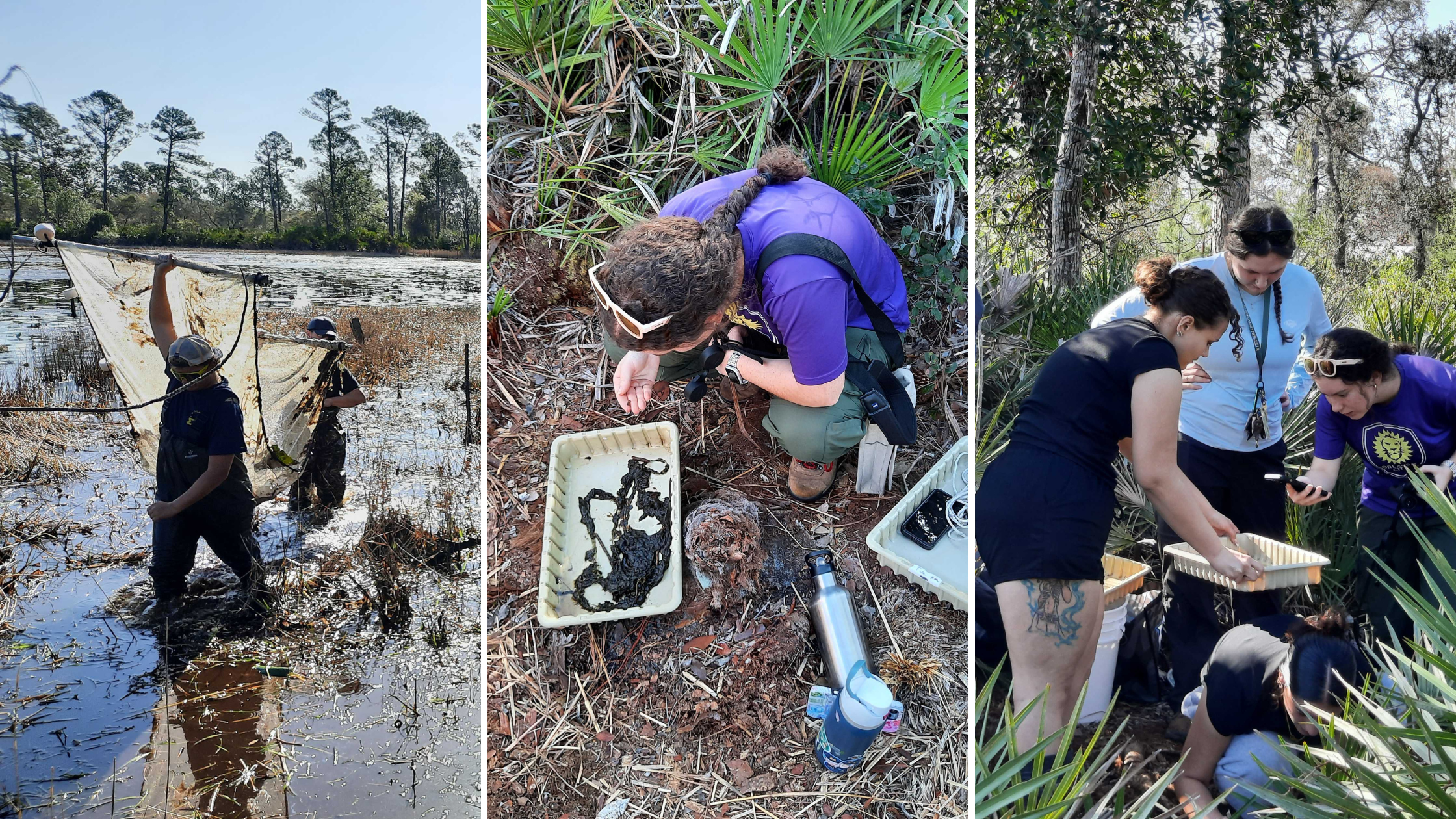
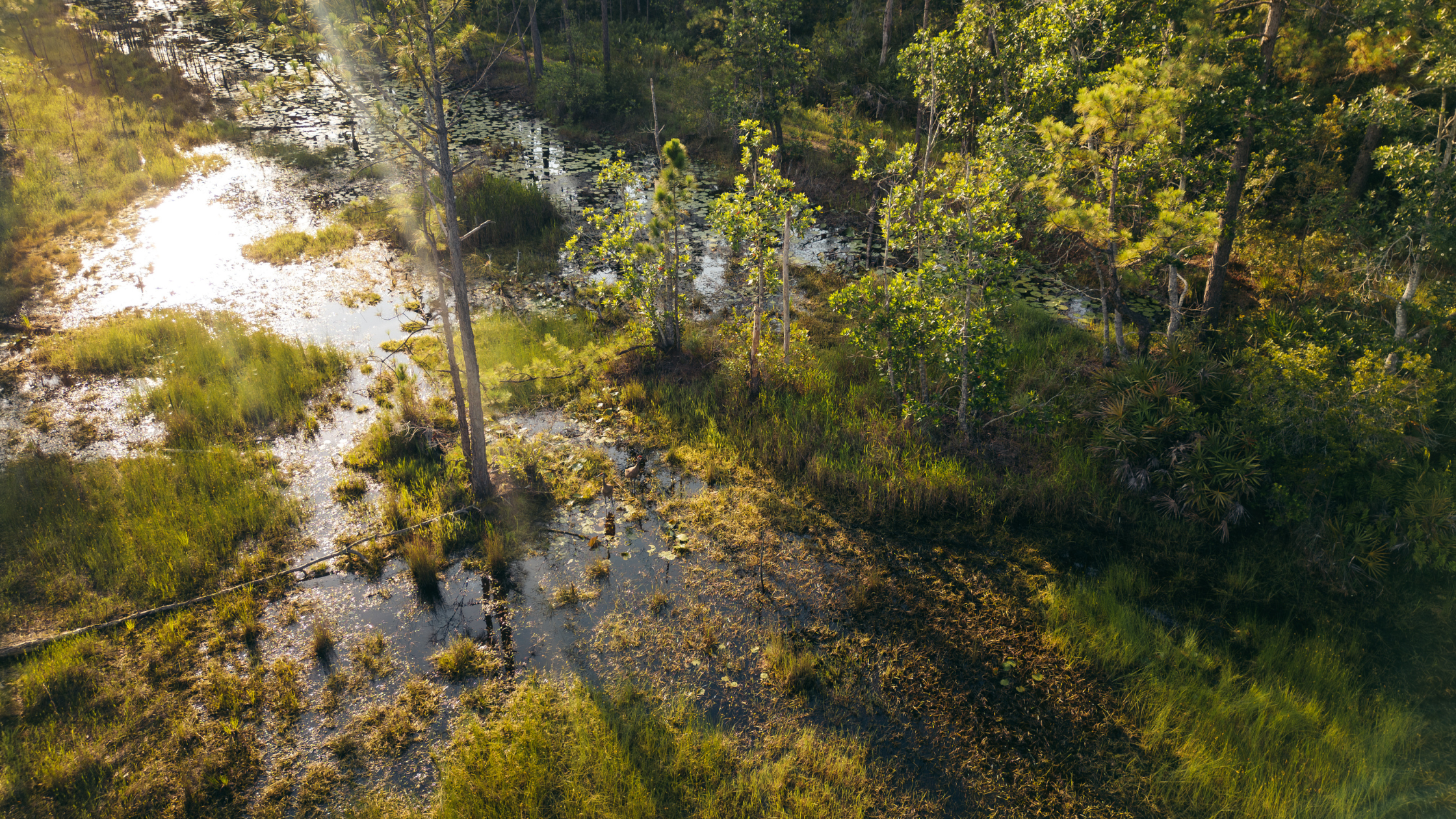
There’s a little body of water tucked into the northeastern corner of our D Ranch Preserve in Volusia County that we call “Little Lake.” But when a group of Stetson University students arrived to study it, they discovered something surprising:
Little Lake isn’t actually a lake. It’s a shallow wetland - one that stays wet year-round!
It was the perfect place for a group of students studying limnology, the science of inland waters, to get some in-the-field experience & help a local nonprofit organization like us!
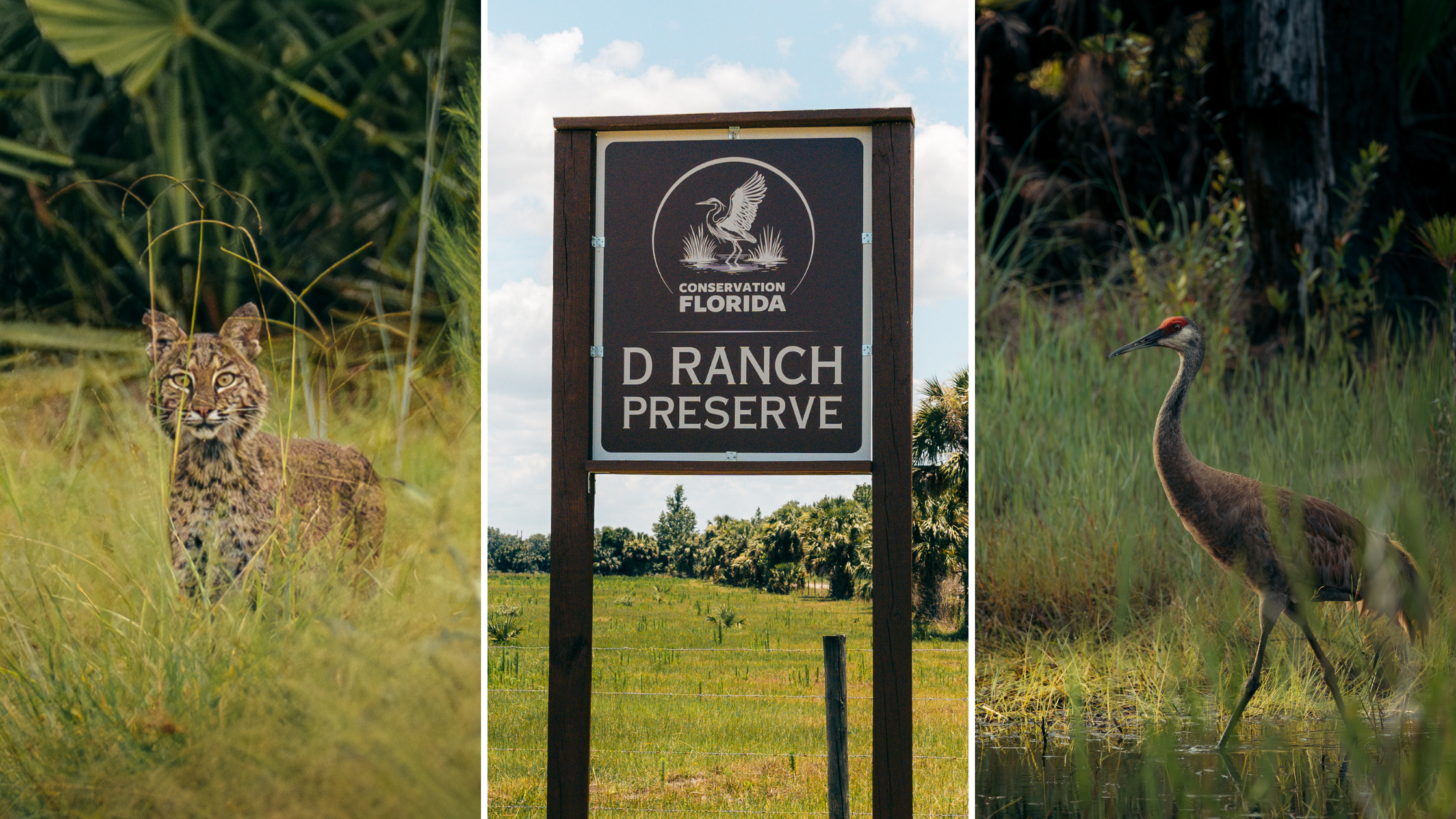
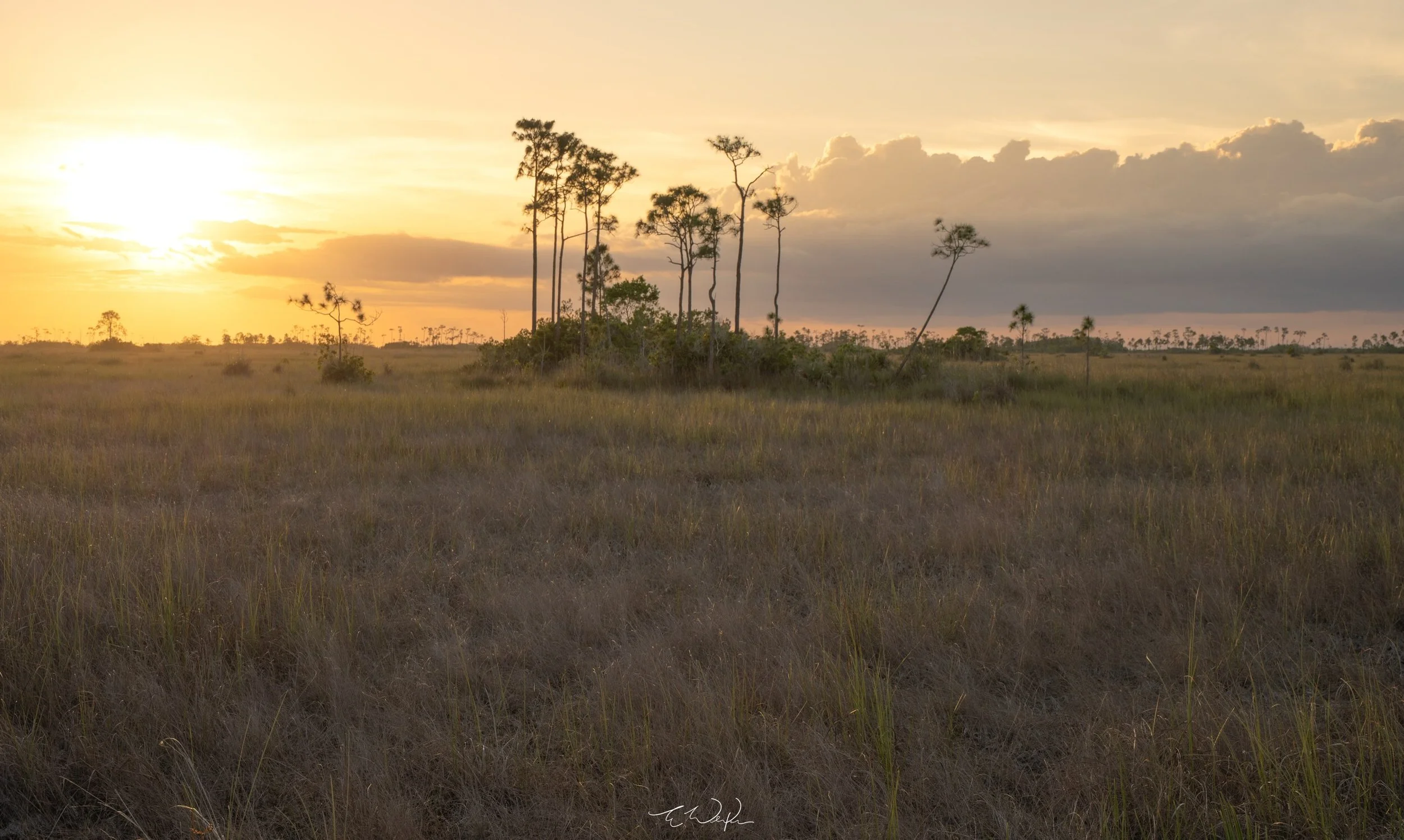
D Ranch Preserve
D Ranch Preserve is a 476-acre public preserve in Osteen, Florida. With roots in cattle ranching, the preserve protects a piece of Florida’s agricultural history while providing habitat for wildlife and a place for people to experience wild Florida.
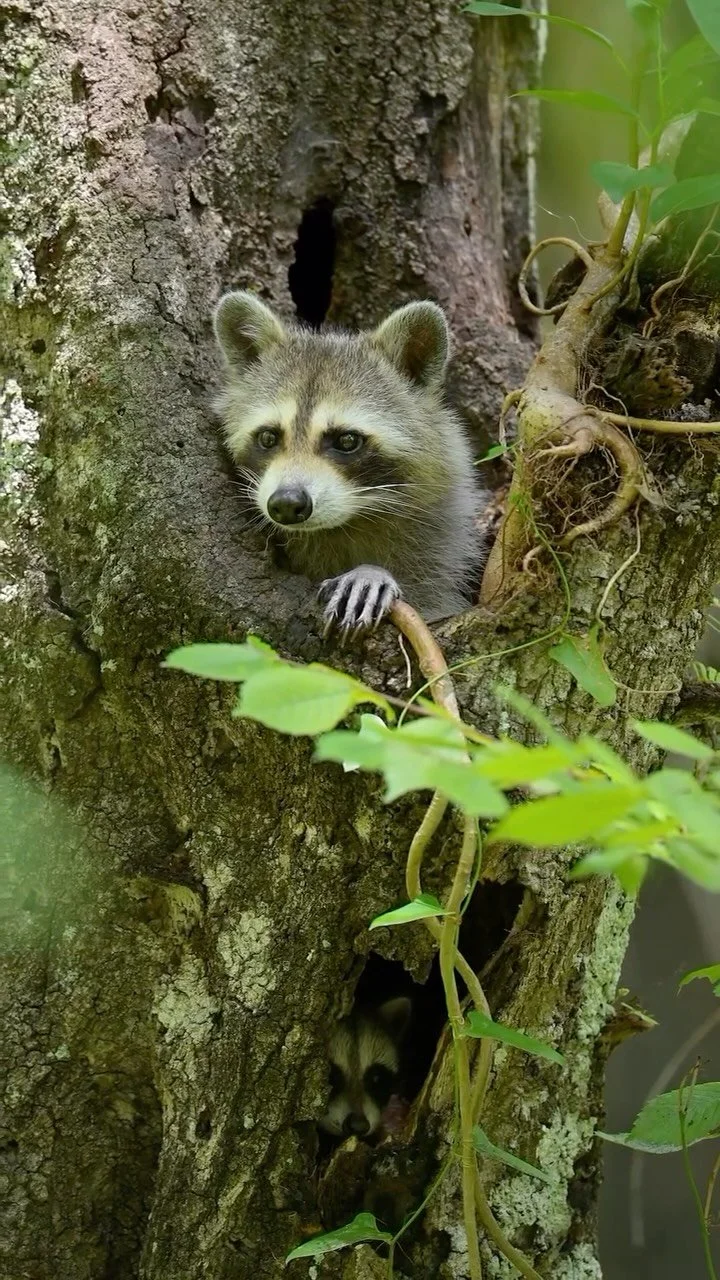
Its 4.5 miles of trails wind through spots home to gopher tortoises, sandhill cranes, bobcats and more. You can also find pine lilies, Rugel's pawpaw & yellow milkwort at the preserve.
Little Lake is located near the northern end of the D Ranch Preserve’s Red Trail. Prior to this, no one had formally studied it.
That’s where Stetson University’s Spring 2026 Limnology class came in!
The Study
Equipped with a mix of professional equipment and homemade scientific tools, the students set out to answer some basic questions:
How big is Little Lake? How deep is it? What’s in the water? Who lives there?
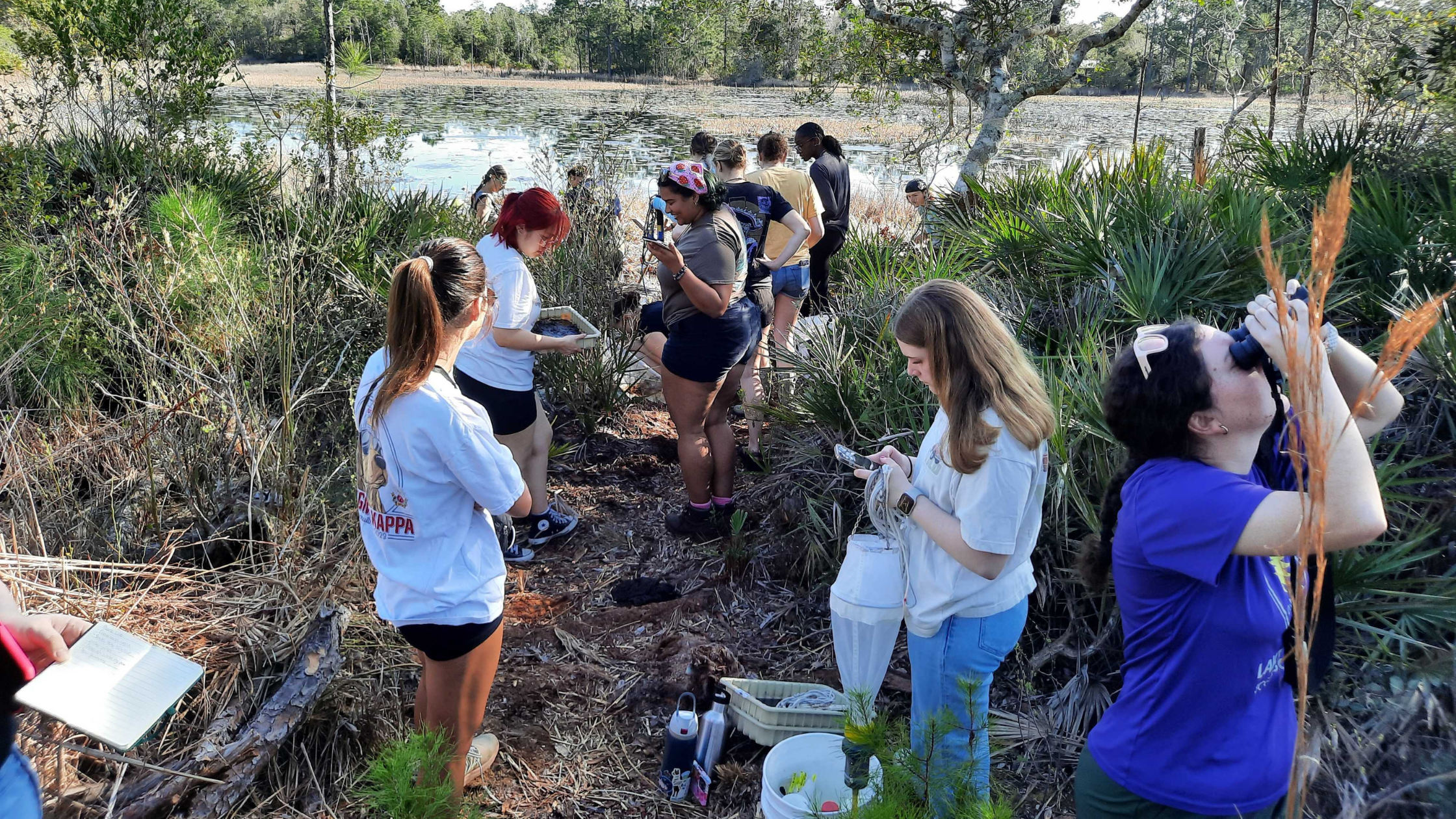
The students brought a variety of tools to investigate Little Lake. A water-quality sensor, called a sonde, was lowered into the water to measure its chemistry. A student paddled across the wetland to collect depth measurements. Binoculars and iNaturalist helped identify birds and plants, while dip nets and microscopes were used to investigate the smaller creatures living beneath the surface.
To create a map of the lake’s depth, students took measurements at different points across the water. The deepest spot was about 3.3 feet. On average, it was only about 2 feet deep.
In other words, Little Lake is shallow enough that a person could walk across much of it without getting their head underwater.
One student even volunteered to test that theory! He donned the waders he brought with him and decided to see how far he could walk before they filled with water.
He made it all the way across!
The Findings
The students also documented the life that calls Little Lake home.
They identified:
18 plant species
18 types of invertebrates, including a crawfish!
4 fish species
21 bird species
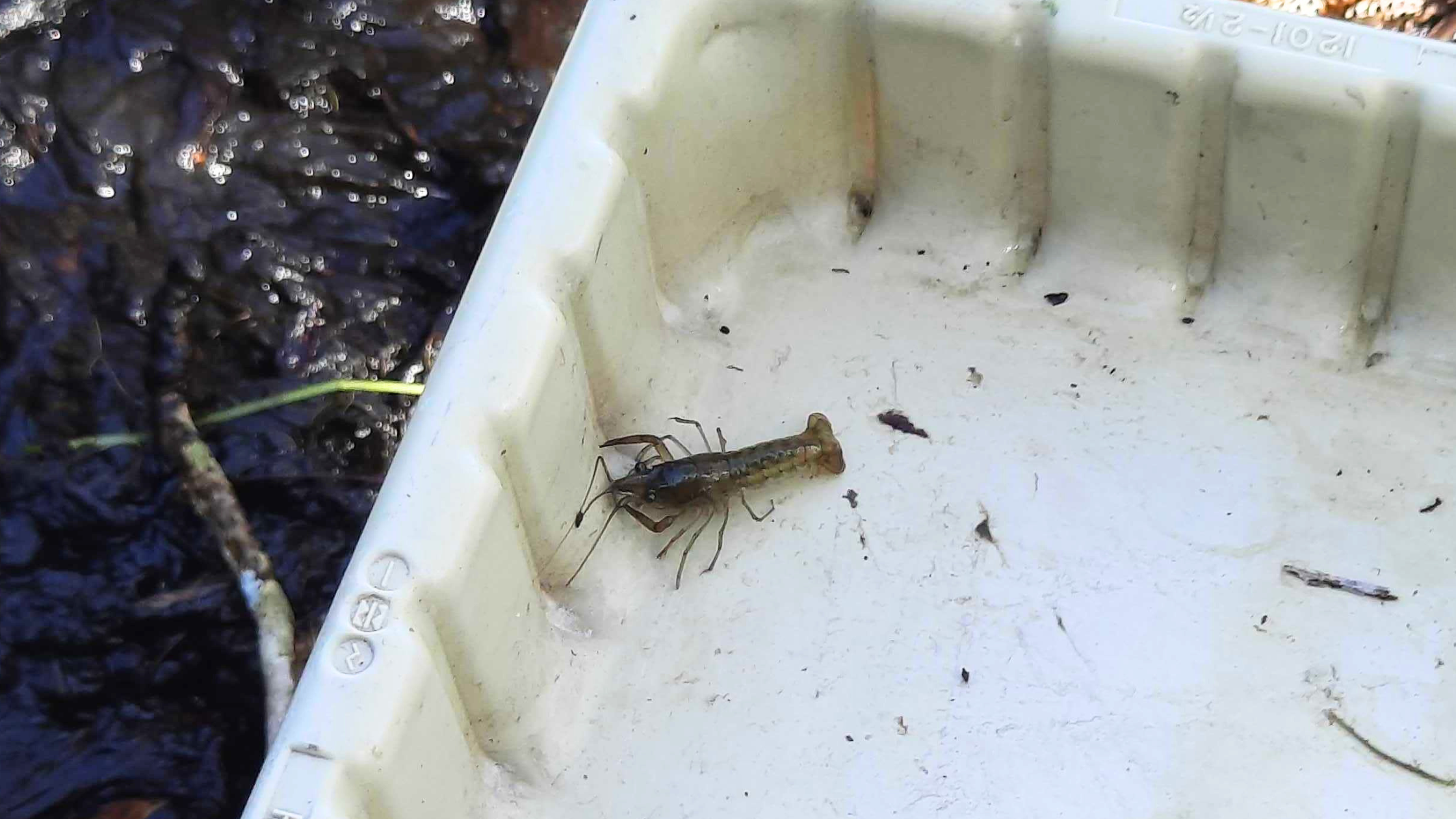
The crawfish discovery was particularly exciting, as they are most commonly found in bodies of water connected to flowing water. They also observed larger mammals coming to the water to drink.
Sometimes, protecting biodiversity means protecting the big, obvious features of a landscape. Other times, it means protecting a shallow patch of water that doesn’t look particularly remarkable at first glance.
Turns out, Little Lake is making a big splash at D Ranch Preserve.
From classroom to wild Florida
For the Stetson University students, this trip was an opportunity for field experience, but more importantly, it was the chance to connect with the wild places their work protects.
They were learning for themselves that some of the most interesting things to discover are hiding in places that might otherwise go unnoticed.
Thank you to the 2026 Spring Stetson University Limnology Class for equipping us with this invaluable knowledge!
If you are interested in supporting projects like these, please contact philanthropy@conservationfla.org
in case you missed it:
About Conservation Florida:
Conservation Florida is an accredited, nonprofit land conservancy dedicated to conserving the Sunshine State’s water, wildlife, wild places — the places that make Florida home. Since its founding in 1999, Conservation Florida has saved more than 45,000 acres, serving all 67 counties in Florida, by prioritizing strategic and evidence-based land protection, education, and advocacy. Learn more at conservationfla.org and follow us on social media @conservationflorida.